
One-stop UAV operation platform
Overview
This case study shares my three-month experience as the UI/UX design intern at a drone startup. It details how I juggled multiple projects in a new industry, developed tools and processes, and applied technical UI skills to tackle real-world challenges.
Key Challenges
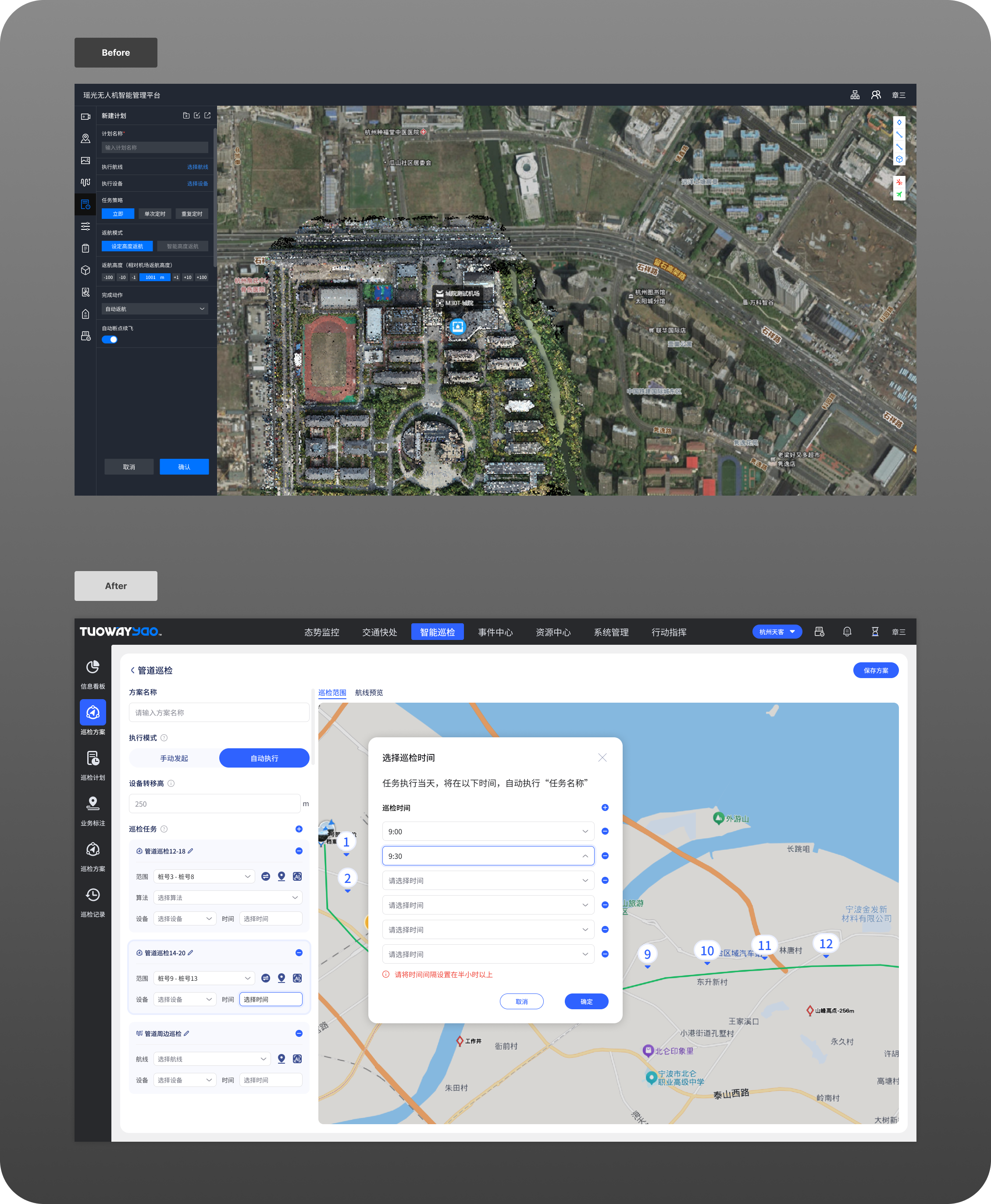
As the UI/UX Designer for the entire product, I found myself simultaneously working on four main branches: UAV Control, Fleet Management, Data Visualization, and System Experience.
This complexity introduced significant challenges. I had to balance technical flight constraints with usability for pilots while also addressing the regulatory compliance needs of government overseers. Furthermore, the lack of an existing design system meant I had to build consistent UI patterns from scratch while delivering features.
The Challenge
- Lack of systematic design process
- Complex industry terminology
- Misalignment between teams
- Need for high-precision control inputs
The Solution
- Implemented Nielsen's Ten Heuristics
- Standardized chart & table formats
- Created reusable design templates
- Focused on "Visibility of System Status"
Design Discovery
We identified critical requirements for our user base, including data security compliance and real-time analytics.
| Stakeholder | User | challenge | Opportunity |
|---|---|---|---|
| Government & Civilian Mgmt | Regulators | Coordinated Government/Civilian Management | Efficient Management System |
| Enterprise/Department-Level Management | Enterprise Asset Operations & Management Department |
Data Security and IT Compliance
Need of real-time visibility into all data
|
On-Premises Deployment
Intelligent Data Ops Center
|
| Frontline Users |
Drone Pilot
Business Analyst
|
Precise execution of flight missions in dynamic environments
Lack of real-time intelligent data analytics
|
Intelligent Mission Planning & Immersive Flight Control
Real-time AI Alerts & Results Management
|
Process
Product Framework
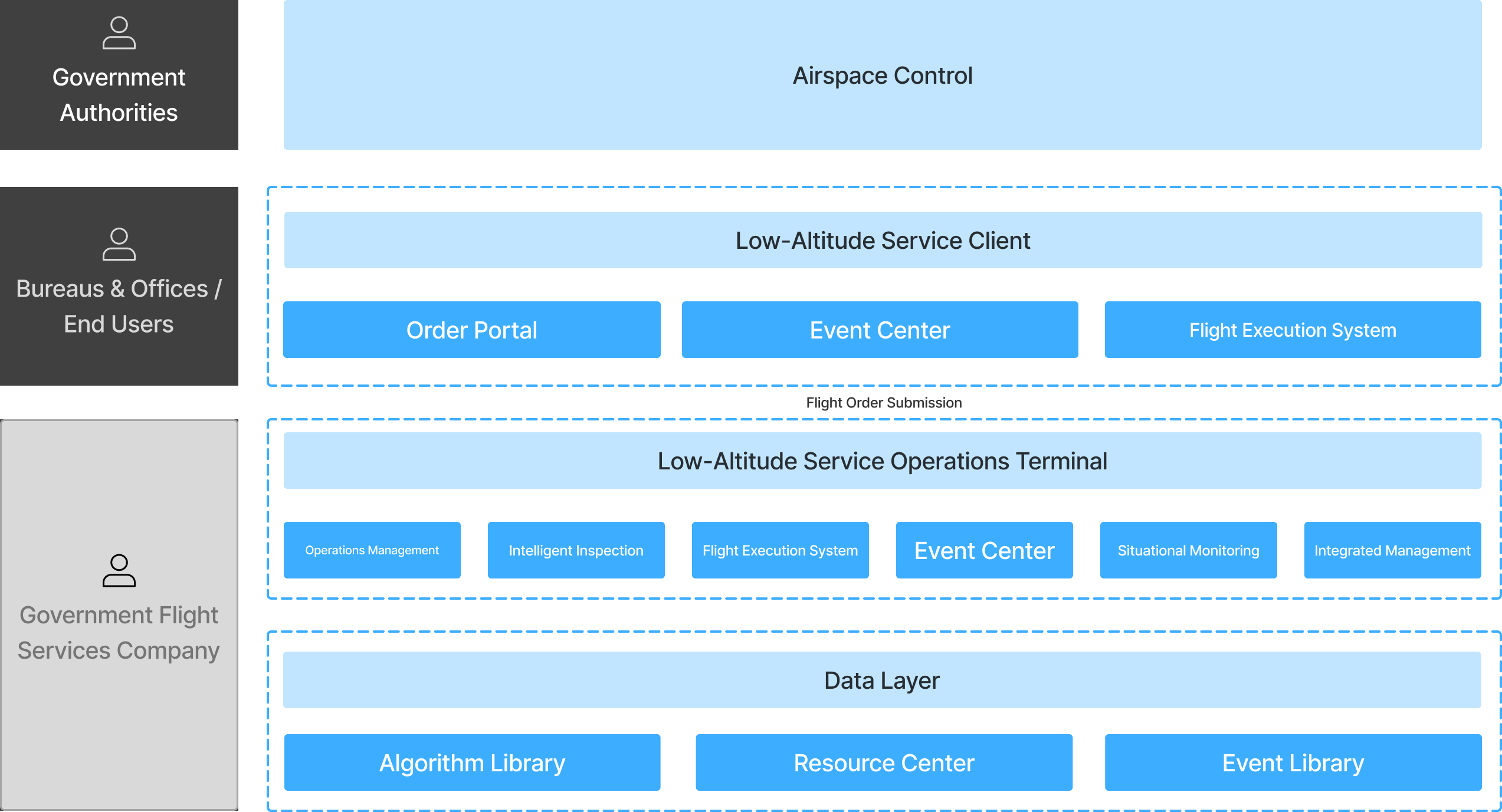
To organize the complex functionalities of the UAV platform, I structured the product framework into four main pillars, ensuring a logical flow for different user roles.
Design System
I created a comprehensive component library to maintain visual and functional consistency across the entire platform. Explore the interactive design system below.
Smart Inspection
The purpose of our Smart Inspection design is to facilitate the rapid initiation of inspection tasks and the configuration of scheduled automatic inspections. This streamlined approach reduces manual intervention and ensures consistent monitoring.
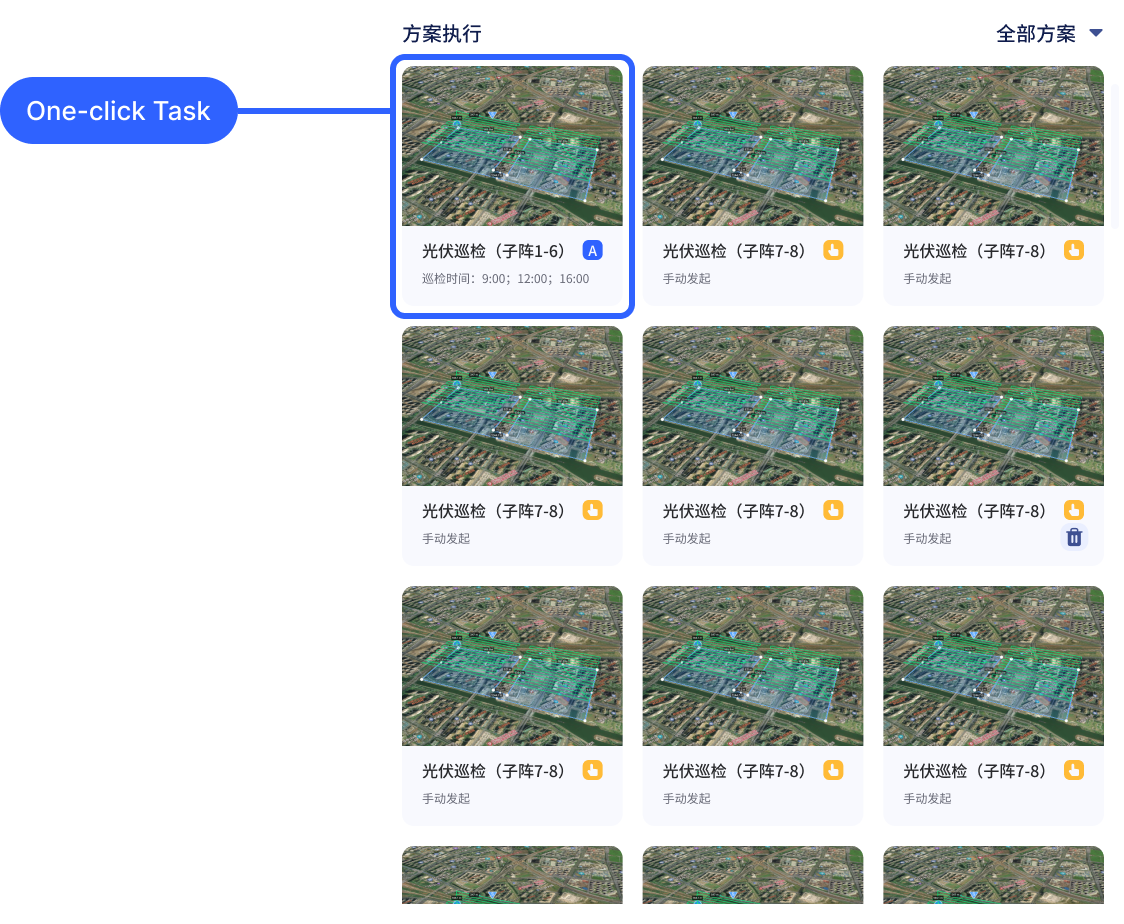
Rapid Task Initiation
Designed to streamline the workflow, allowing users to launch inspection missions immediately with minimal configuration steps. This reduces reaction time in critical situations.
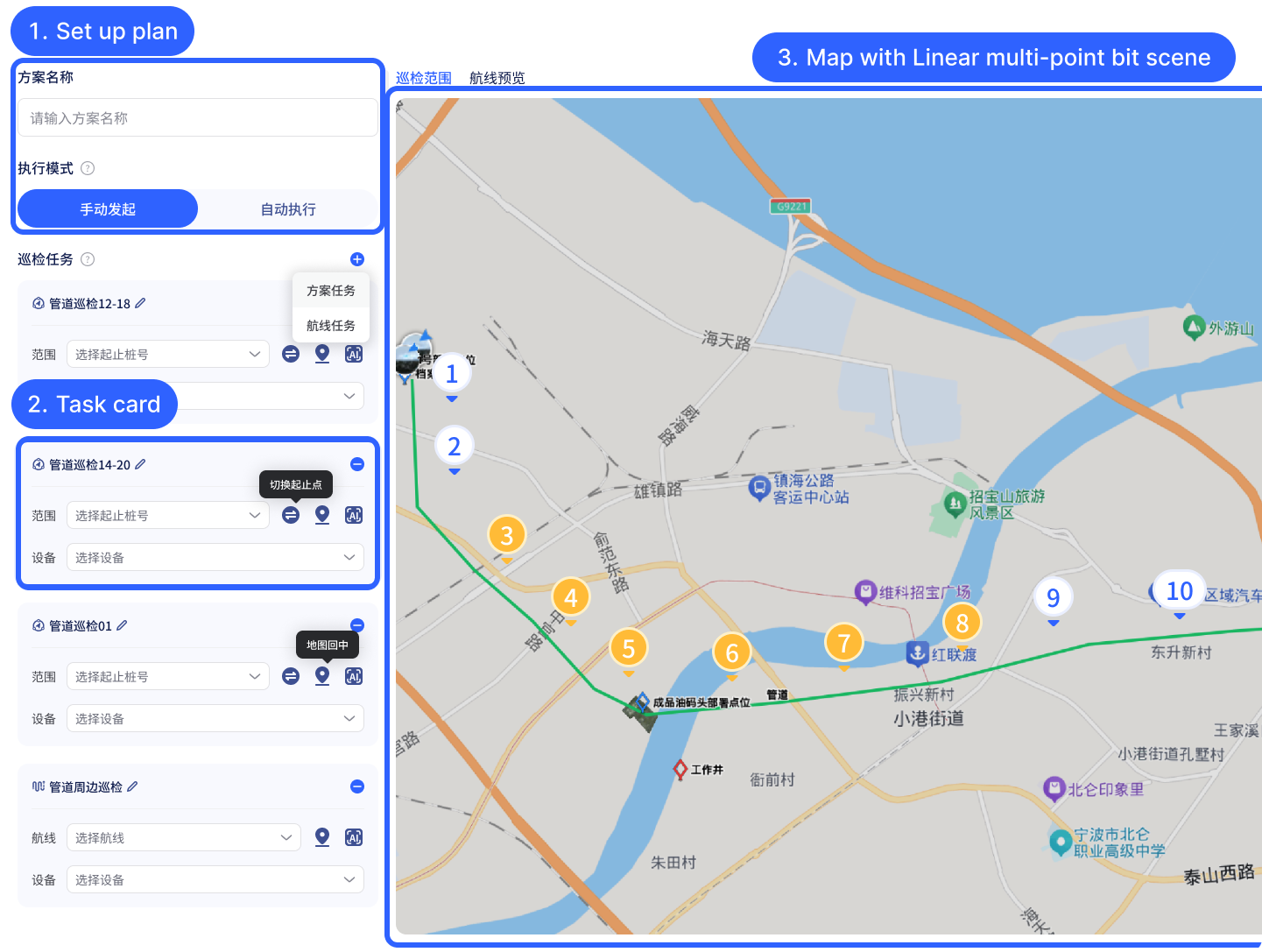
Automated Scheduling
Enables the setup of recurring, automatic inspection plans. Users can define routes, frequencies, and parameters once, and the system handles execution automatically.
Resource Center
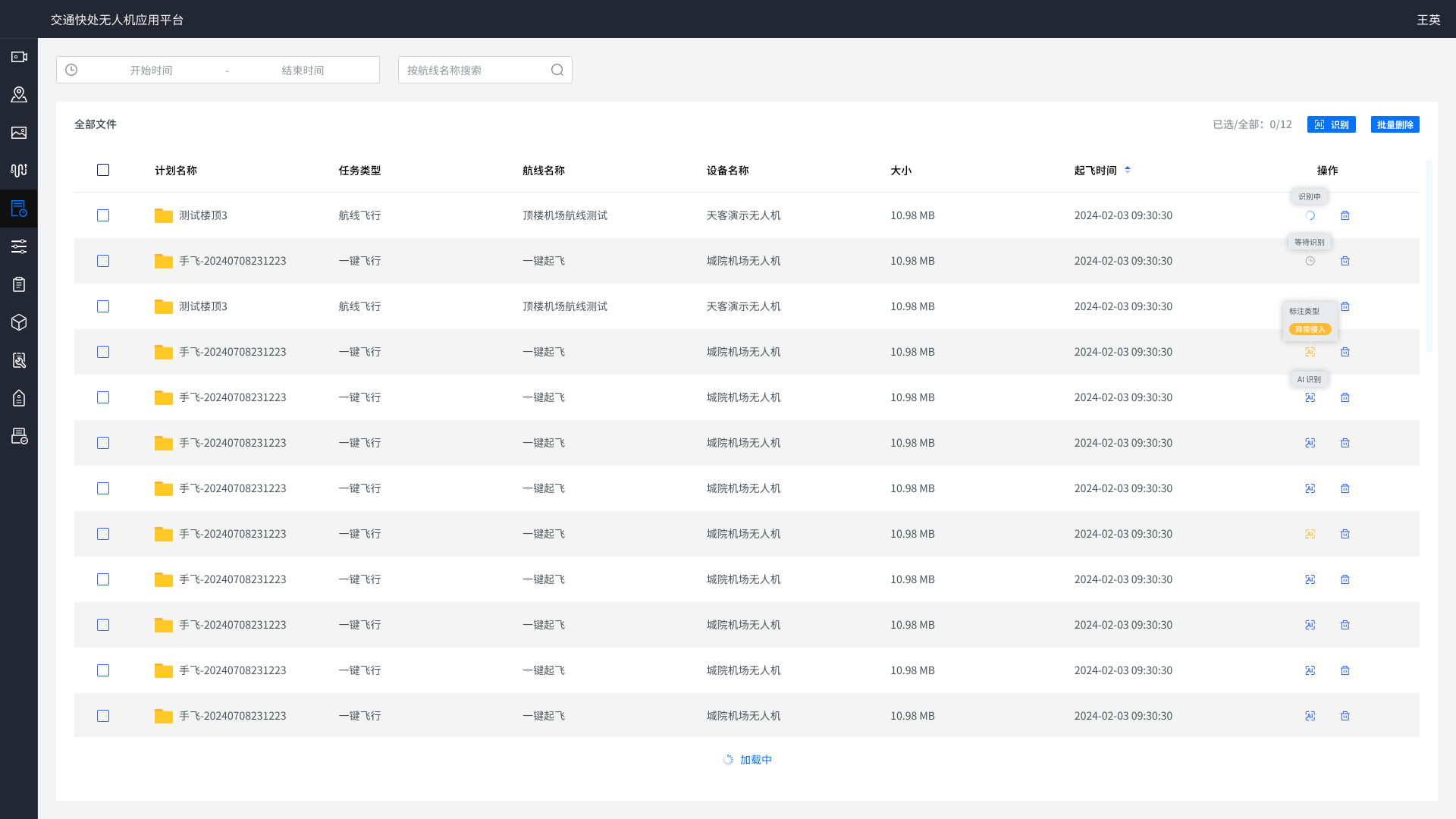
We redesigned the system by merging the existing Media Library and Model Library into a unified Resource Center. This change provides a more intuitive way to browse all UAV-generated resources—including videos, photos, and 3D models—using card-based previews for instant visibility and easier file management.
Before: Fragmented Libraries
After: Unified Resource Center
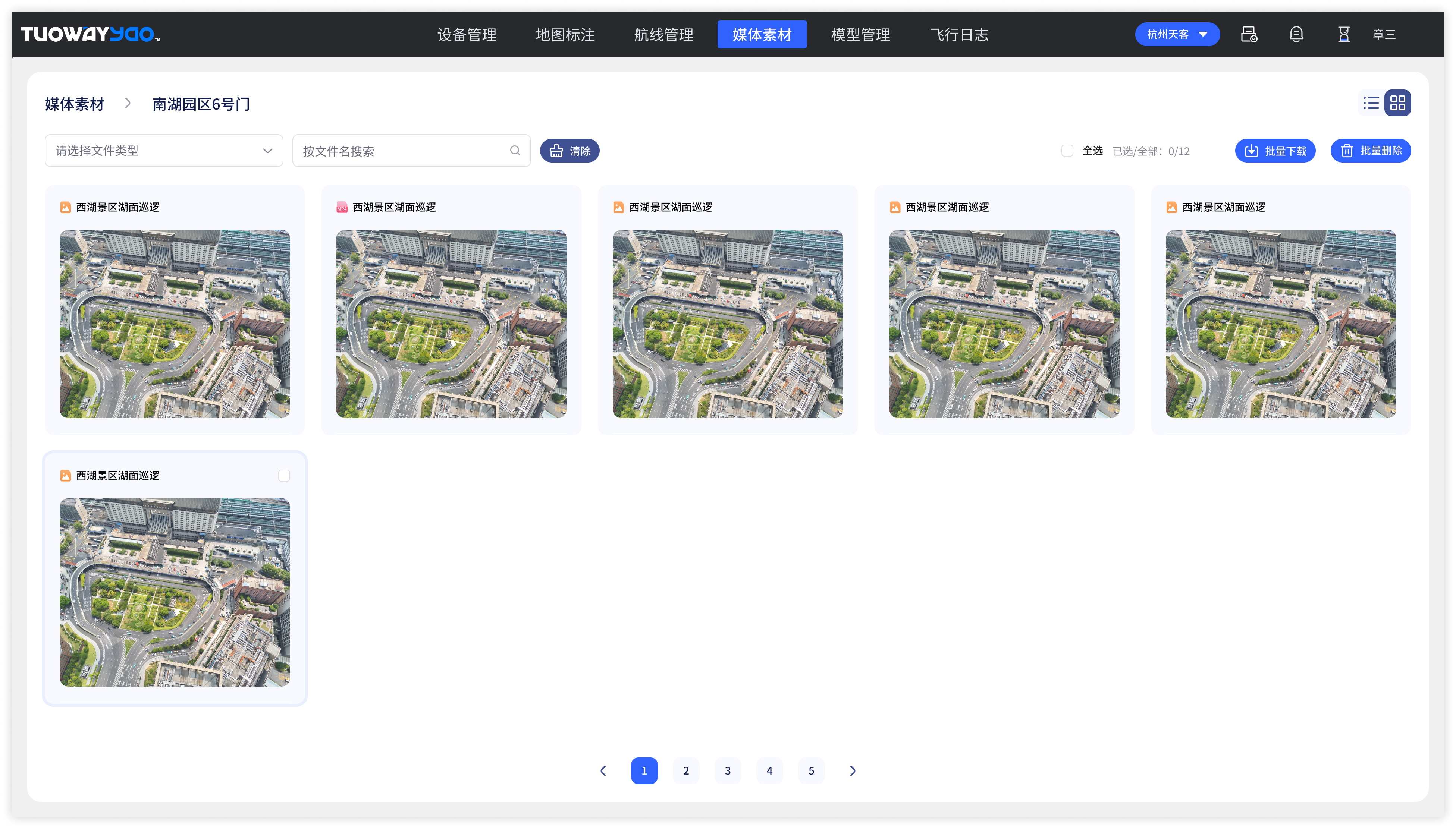
The new design consolidates disparate libraries into a single, visual-first interface, as shown in the card-based preview.
Route Library
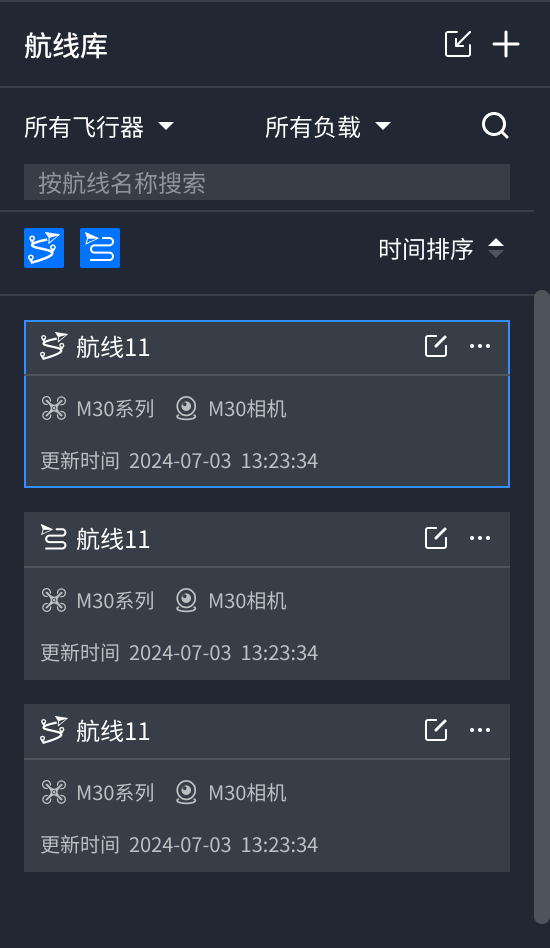
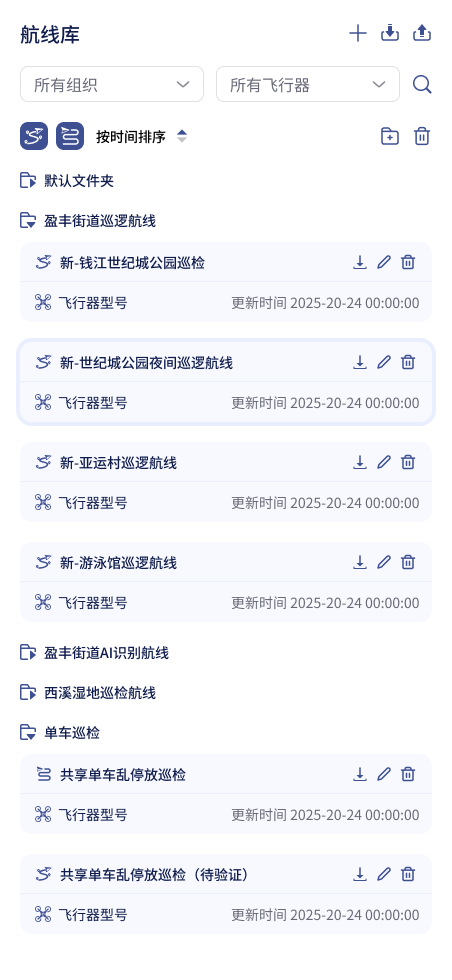
Previously, the route library's navigation lacked organization, making it increasingly difficult to locate specific routes as the collection grew. To address this, I redesigned the layout and introduced folder management functionality. This structure allows users to clearly see route classifications and facilitates precise retrieval and editing at any time.
Before: Unorganized Navigation
After: Folder Management
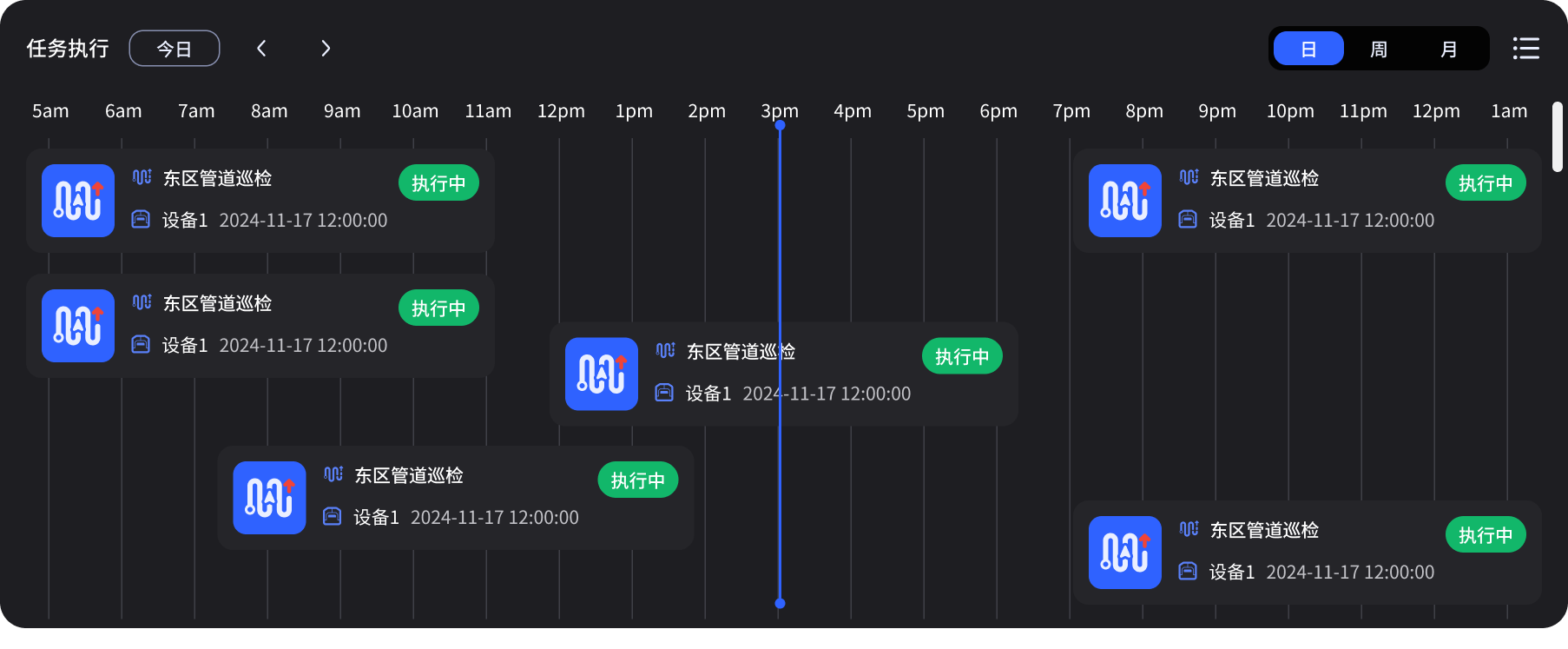
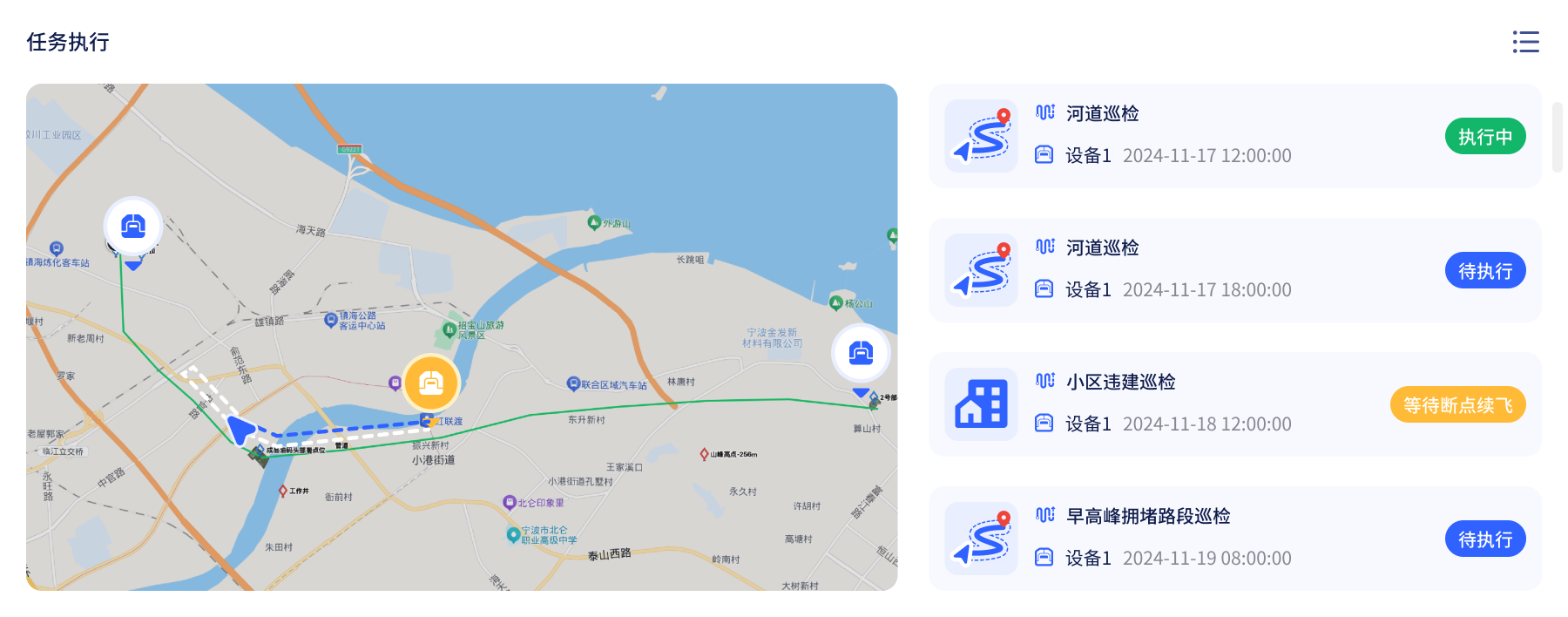
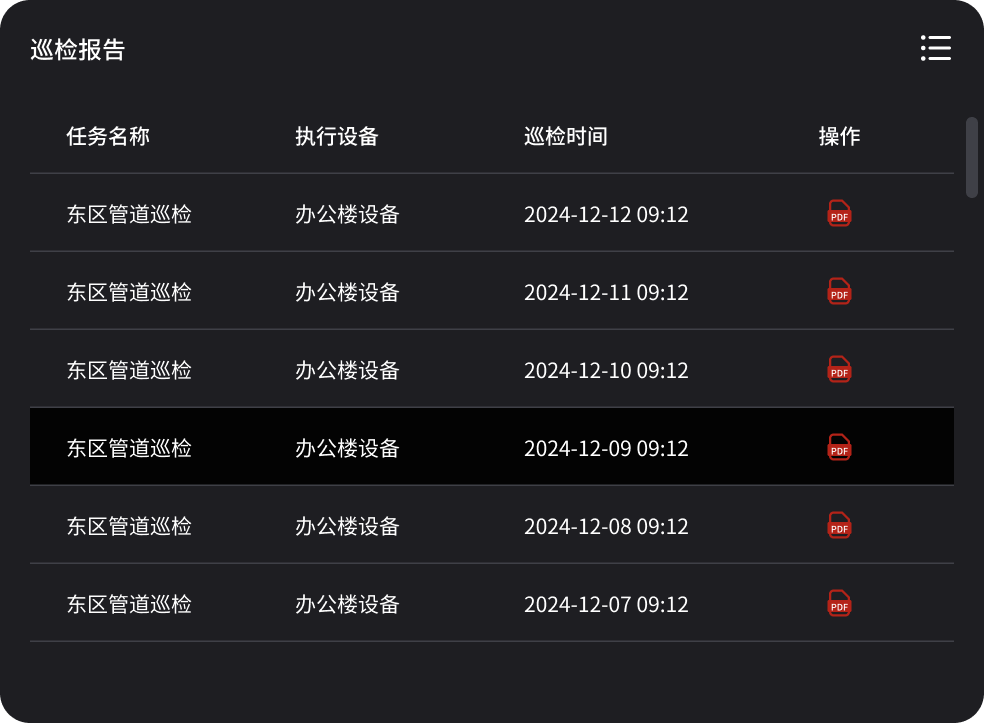
Information Signage


Closing
What I Learned Designing for Complex Systems
Designing this UAV operation platform presented a unique opportunity to bridge the gap between complex technical requirements and user-centric design. As the lead designer on this project, I navigated the challenges of balancing strict regulatory compliance with the need for an intuitive, efficient user experience for pilots and administrators.
This project deepened my understanding of how safety-critical systems operate under high-pressure constraints and how those constraints shape design decisions. One ongoing challenge is scaling with complexity: as new features like autonomous fleets and AI analysis are added, maintaining a clean and coherent interface remains a priority. Moving forward, I aim to continue exploring how design can simplify complex workflows, making advanced technology accessible and safe for every user.
Next Project

Aura
A wearable technology designed to relieve mothers from postpartum depression.